
Corn Is 23% Harvested, Four Points Behind Average. Winter Wheat Planting Is Ten Points Behind.
USDA's October 5 Crop Progress report shows a harvest running late across most row crops, condition ratings slipping for both corn and soybeans, and pasture and range still rated 49% poor or very poor.
The short answer
- As of October 4, 2026, US corn was 23% harvested against a five-year average of 27%, and soybeans were 25% harvested against an average of 33%.
- Winter wheat planting was 36% complete against a 46% average, with 16% emerged against 20%.
- Corn rated good to excellent slipped three points to 54%; soybeans slipped one point to 57%.
- Pasture and range was rated 49% poor to very poor, an improvement of two points on the prior week, with 23% good to excellent.
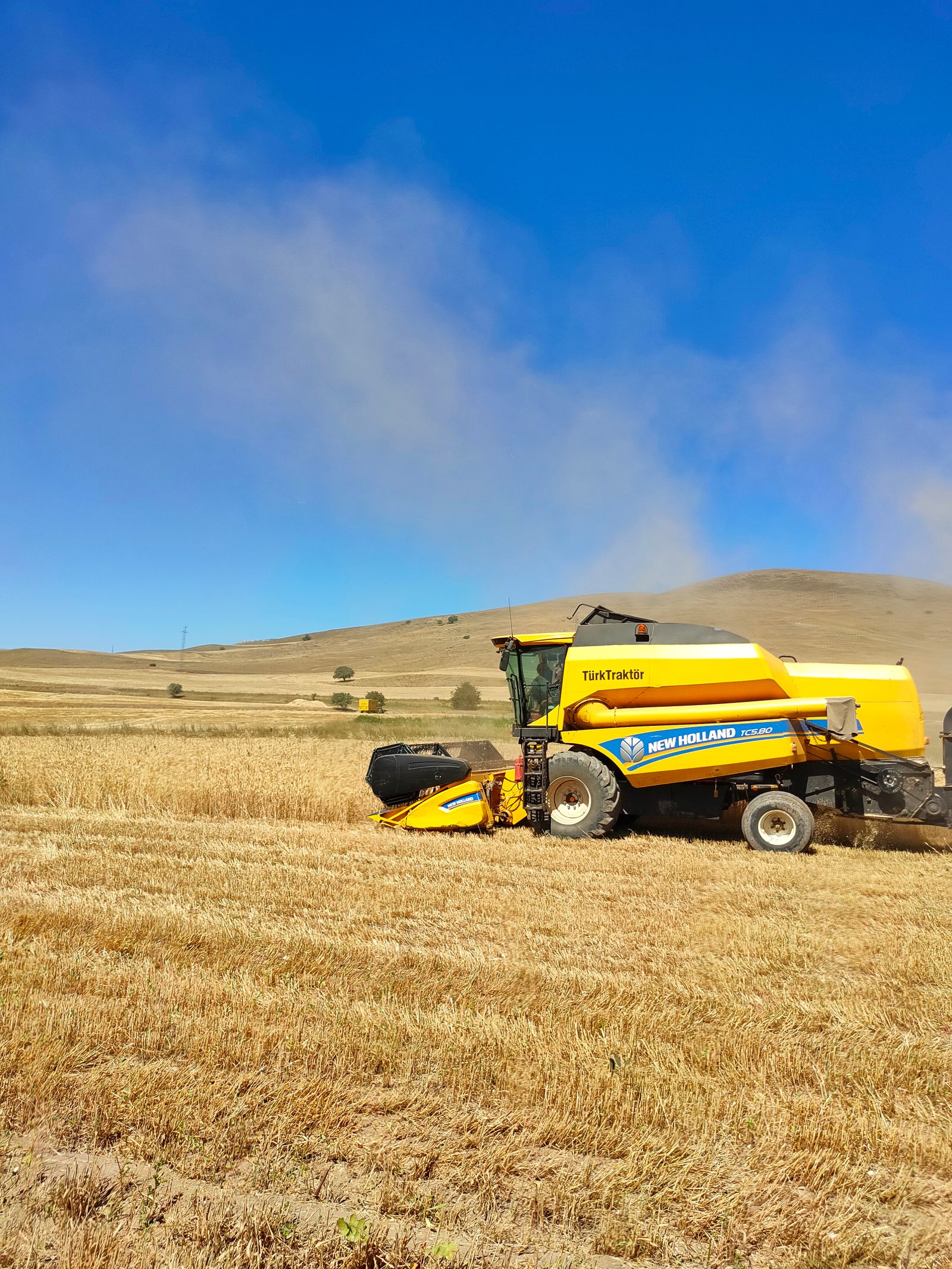
The US row-crop harvest is running behind its recent norm. USDA's National Agricultural Statistics Service put corn at 23% harvested as of October 4, against a five-year average of 27%, in the Crop Progress report released on October 5. Soybeans were 25% harvested against an average of 33% — an eight-point deficit, the widest in the report.
Both crops had advanced from the prior week, when corn stood at 18% and soybeans at 17%. The pace is not stalled; it is simply slower than usual.
Where each crop stands
- Corn: 23% harvested (five-year average 27%); 83% mature (average 83%); 54% good to excellent, down three points on the week
- Soybeans: 25% harvested (average 33%); 85% dropping leaves (average 87%); 57% good to excellent, down one point
- Winter wheat: 36% planted (average 46%); 16% emerged (average 20%)
- Cotton: 23% harvested (average 21%)
- Sorghum: 32% harvested (average 38%); 72% mature (average 75%); 96% coloring (average 98%)
- Rice: 86% harvested (average 79%)
- Peanuts: 22% harvested (average 23%)
- Sugarbeets: 19% harvested (average 22%)
- Sunflowers: 6% harvested (average 5%)
Maturity is on schedule while harvest is not. Corn reached 83% mature, exactly its five-year average, yet harvest trails by four points. That combination points to field access rather than crop development: the plants are ready, the ground is not.
The stated reason is water
Reporting on the release attributed the delayed fieldwork to very wet weather in parts of the Midwest and Plains. Wet soil keeps combines out of fields and raises the moisture content of harvested grain, which then has to be dried before it can be stored — an added cost that falls on the grower.
Winter wheat is the one with a calendar
At 36% planted against a 46% average, winter wheat is the crop where lateness carries the most consequence. Winter wheat is sown in autumn, establishes a root system and tillers before dormancy, then resumes growth in spring. Seed that goes in late has less time to establish before cold weather, which can affect how well the stand survives winter. Emergence at 16% against a 20% average reflects the same lag one step later.
Condition ratings moved down
Corn rated good to excellent fell three points on the week to 54%; soybeans fell one point to 57%. Condition ratings late in the season matter less than they do mid-summer, because yield is largely set by the time a crop is mature. They remain a read on harvest loss and grain quality rather than on potential.
Pasture and range remain poor
Across the 48 states NASS reports, pasture and range was rated 49% poor to very poor, two points better than the prior week, with 23% good to excellent, up four points. That is a measure of grazing land rather than row crops, and it bears directly on cattle operations: when pasture fails, producers buy hay or feed, or they sell animals earlier than planned.
Sources
- USDA Crop Progress: Corn 23% Harvested, Soybeans 25% Harvested as of Oct. 4 — DTN/Progressive Farmer (reporting USDA NASS Crop Progress)
- 54% of U.S. corn, 57% of soybeans good to excellent — Brownfield Ag News (reporting USDA NASS Crop Progress)
Spotted an error? Tell our corrections desk.
How this article was produced
- Responsible desk:
- Commodities & Energy
- Published:
- 7 Oct 2026, 05:48 UTC
- Last updated:
- 7 Oct 2026, 05:51 UTC
- Verification:
- Figures and quotations checked against primary sources under our fact-checking policy and editorial standards.
- Independence:
- No advertiser or affiliate partner had any involvement in this article — see editorial independence and how we make money.
- Corrections:
- Report a factual error.
This article is general financial information and journalism, not personalised financial, investment, tax or legal advice.